Filmyzilla In 2011 Bollywood Today
Filmyzilla In 2011 Bollywood Today
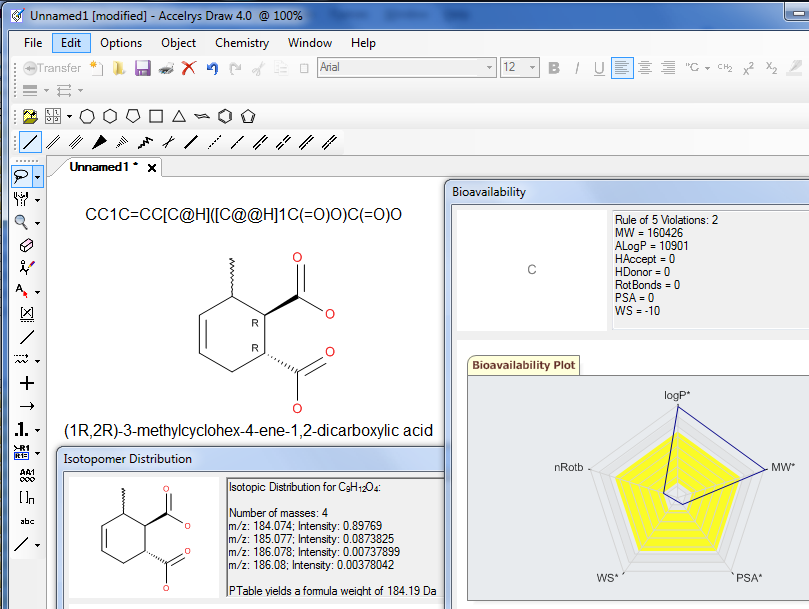 |
With the
same look-and-feel as ISIS/Draw, Accelrys Draw delivers speed and
efficiency to your chemical drawing experience.
Accelrys Draw can easily swap out existing ISIS/Draw or ChemDraw applications. |
|
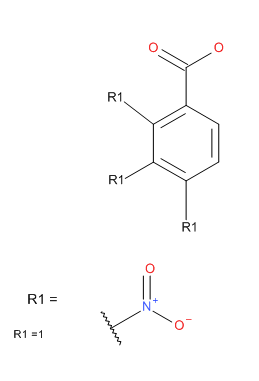
Filmyzilla In 2011 Bollywood TodayClick here for more details about Rgroups, an example, and a detailed procedure how to draw a Markush query. To draw a Markush query:
|
|
|
| Generic Structure
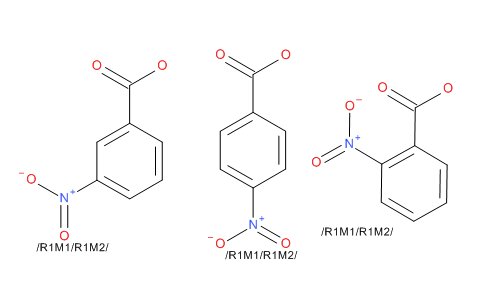
Enumerator The enumerator works against structures defined using the Rgroup tool in Accelrys Draw. In this mode you specify a scaffold with a number of Rgroup labels, then to add fragments to the Rgroup identifiers. The Add-in will calculate the complete set of structures that the Rgroups define. You can also define a generic region using the Sgroup tool. Draw the basic structure and using the Sgroup tool, drag a pair of brackets around a region that is repeated in the substance. From the dropdown select ‘generic’ for the bracket type, then select apply and exit from the dialog. Right click on one of the brackets and select the Attach Data option. In the dialog enter REPEATRANGE into the Field description box, and then enter the range in the Data box; leave the Search Operator set to none; the Tag field is optional. A contiguous range is required in the Data box, for example 3-6. A structure can contain both Rgroup definitions and Sgroup definitions, but they cannot overlap or be nested. You have the option to enumerate on to Accelrys Draw’s canvas, into an SDfile, or into an Isentris for Excel compatible spreadsheet. |
 |
|
Filmyzilla In 2011 Bollywood TodayLegally and technically, the fight against sites like Filmyzilla exposed gaps. Enforcement was reactive, fragmentary, and often jurisdictionally complicated: hosting and mirror networks moved quickly; takedown notices lagged; enforcement focused on symptomatic pages rather than the distributed networks enabling them. Meanwhile, consumer behavior mattered. Widespread tolerance for downloading pirated films signaled a cultural disconnect: many users rationalized piracy as harmless or victimless, even as creative workers — writers, technicians, marketing teams, regional exhibitors — felt the squeeze. If 2011 was a warning, it was also an opportunity: by addressing piracy’s root causes and modernizing how films reach audiences, Bollywood could convert lost revenue into sustainable growth and creative diversity. filmyzilla in 2011 bollywood Beyond direct earnings, piracy distorts creative incentives. When revenue becomes less predictable, producers and studios prioritize bankable stars, sequels, and formulaic masala pictures that can still draw an opening weekend crowd. The long-term cost: a narrower cinematic landscape with fewer experimental voices, lower investment in original scripts, and diminished regional diversity. In 2011, as digital distribution was poised to become a legitimate alternative, piracy risked strangling the very transition that could have broadened reach and revenue. Legally and technically, the fight against sites like In 2011 Bollywood was navigating steady commercial growth, an expanding multiplex culture, and rising star-driven franchises. Behind glossy premieres and box-office brackets, a parallel economy quietly undermined the industry: torrent and streaming sites that distributed recent releases for free. Filmyzilla — one among several piracy portals that gained attention that year — symbolized a problem with cultural, economic, and ethical dimensions. When revenue becomes less predictable, producers and studios The economic impact was immediate and measurable. Bollywood’s revenue model was, and remains, highly dependent on theatrical windows, satellite rights, and home-video/streaming deals tied to first-run box-office performance. When newly released films leak online within days (or hours) of theatrical release, the most vulnerable stakeholders suffer first: independent producers, regional distributors, and small-screen exhibitors who lack the deep-pocketed cushioning of major studios. A mid-budget drama or regional hit could be deprived of the box-office tail that funds future risk-taking and new talent—an effect that compounds over time as financiers demand safer, formulaic projects. |
http://accelrys.com/products/informatics/cheminformatics/draw/add-ins.html | |
Chemical Drawing Programs – The Comparison of Accelrys (Accelrys) Draw, ChemDraw, DrawIt, ACD/ChemSketch and Chemistry 4-D DrawUniversity of Debrecen, POB 70, H-4010 Debrecen, Hungary, e-mail: Last major update : 1.11.2011 If you have any comment, do not hesitate to contact the author at the above adress. |
http://dragon.klte.hu/~gundat/rajzprogramok/dprog.html |