

金翔•掌握核心技术
高拍仪科技-让你看到更高清的世界1秒快速扫描
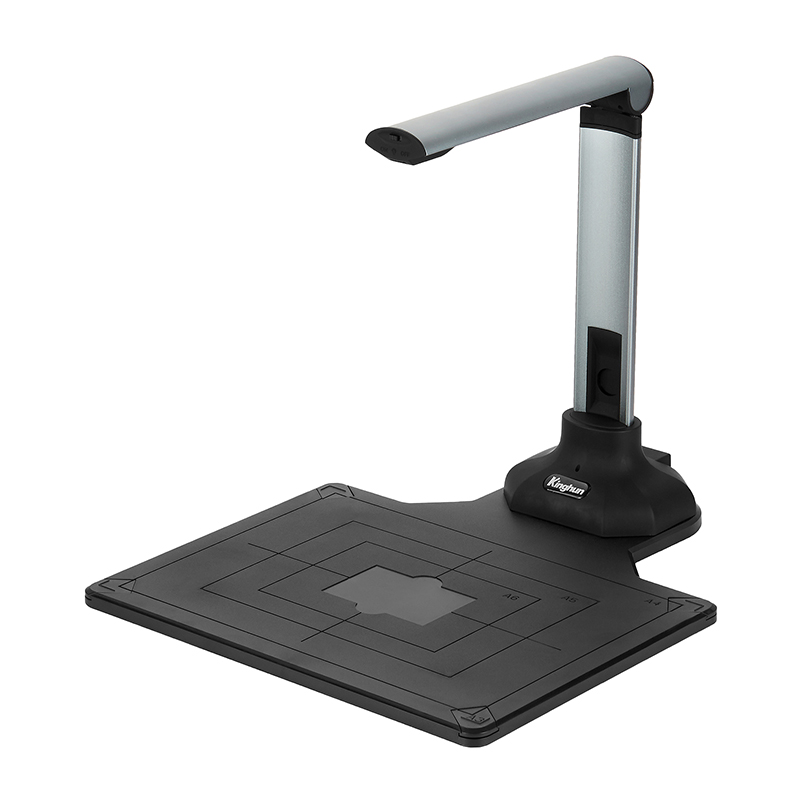
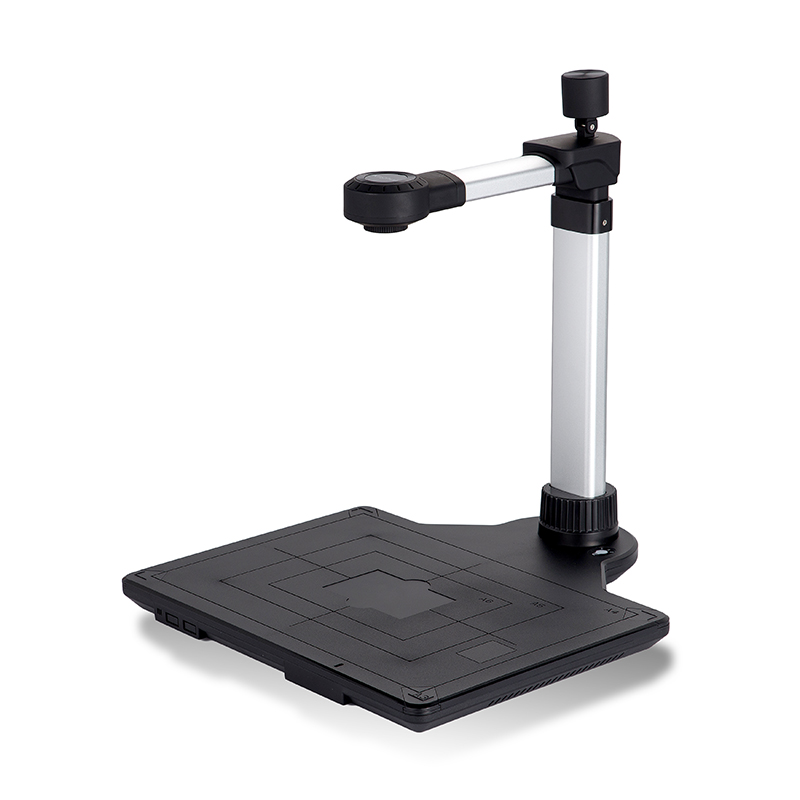
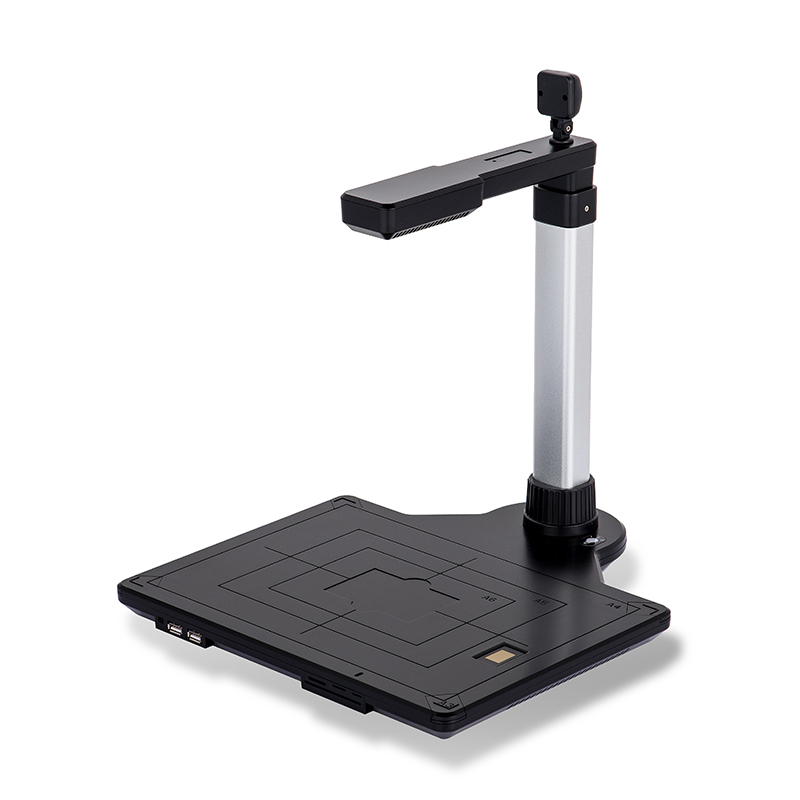
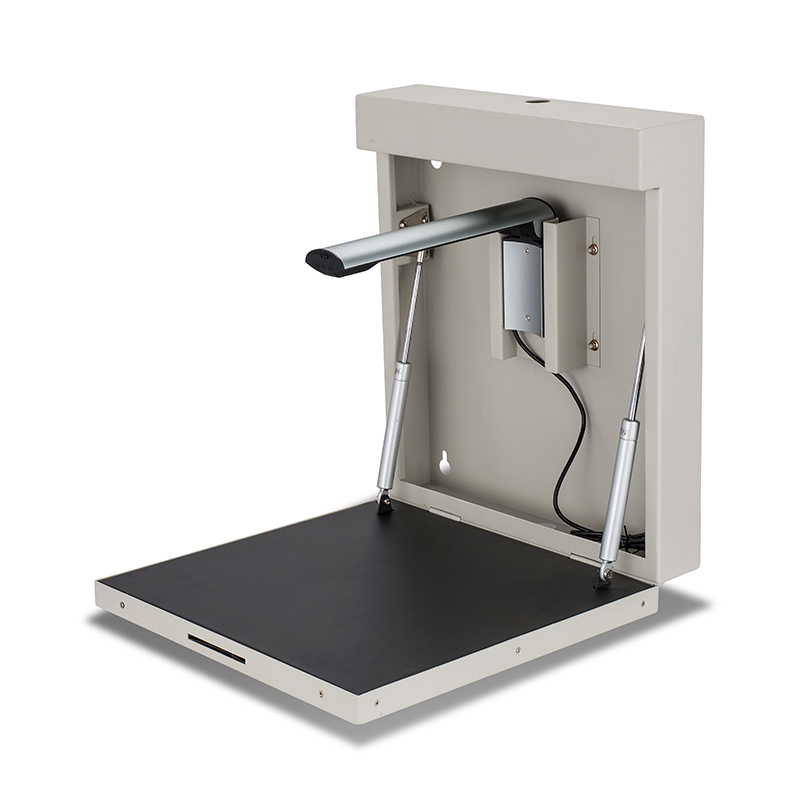
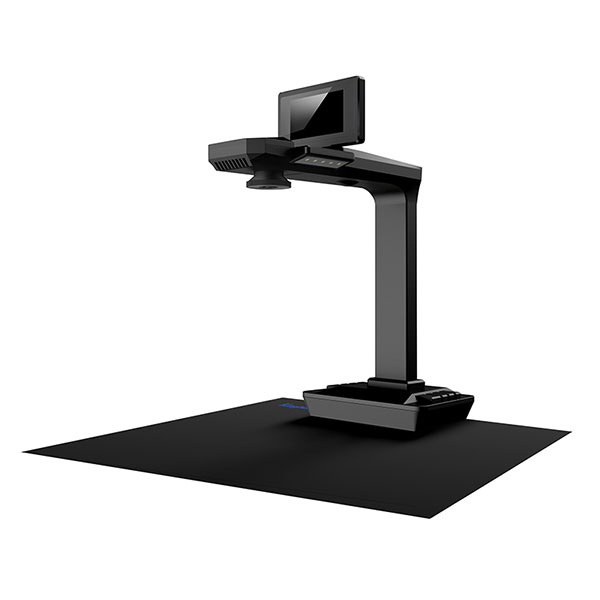
金翔高拍仪快速扫描,文件票据1秒搞定,轻巧便捷易携带
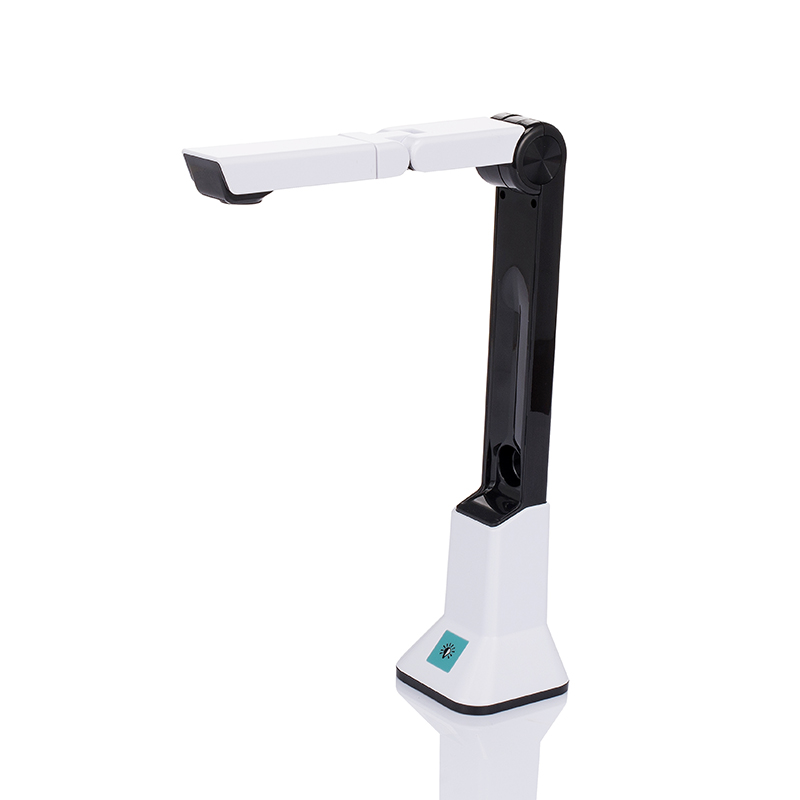
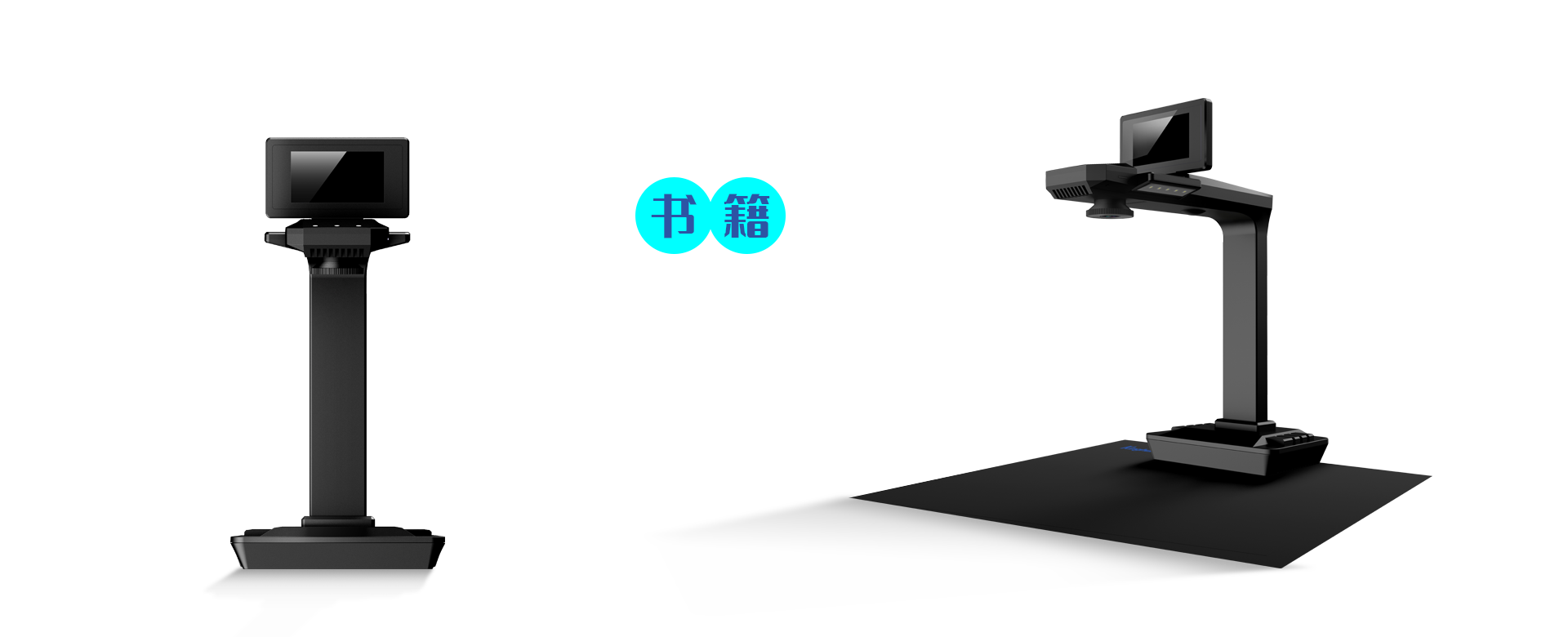
金翔高拍仪设计为便携式,小巧玲珑,扫描内容转化文档
金翔高拍仪扫描速度快,同时支持将支持二次开发SDK
可根据企业或者个人不同的行业需求

金翔品质•匠心智造
绿色低碳办公用品-高效环保高拍仪采用CMOS光学传感器
数码摄像方式对需要存档的对象转换为电子档或无噪音耗能低
金翔高拍仪设备在降噪技术上采用USB数据传输和供强大的集合功能
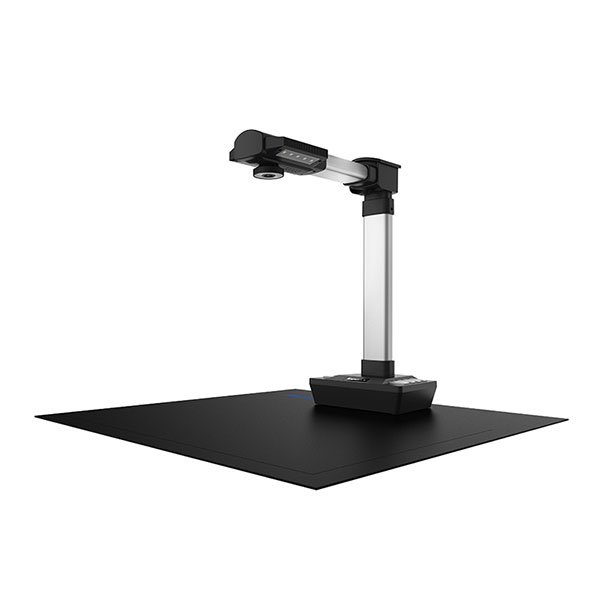
金翔高拍仪集合了复印、打印、传真、拍摄、投可折叠拆卸 占空间小
金翔高拍仪精致小巧,可折叠拆卸,放桌面就可金翔可根据用户的要求专门提供您专用的高拍仪产品
定制热线: 立即咨询
立即咨询
金翔•公司介绍
重质量 讲信誉 树品牌东莞市伍鸿电子科技有限公司
金翔高拍仪品牌提供商Practical outcome: a “mini-documentation” header summarizing purpose, inputs, outputs, and known limitations. Quality needs early checks. Add lightweight validation: confirm file encodings, assert expected headers, or detect unusually sized inputs. When something’s off, fail with a clear, actionable error instead of a silent wrong result.
Practical outcome: publish a short “How I broke and fixed this macro” note alongside your macro — it’s both documentation and a teachable moment. Extra quality is quiet. It’s the macro that runs reliably at 2 a.m., the script that recovers cleanly after a crash, the tool that a colleague hesitates to change because its intent is clear. These improvements compound: fewer emergencies, more trust, faster iteration. The craft of macros becomes a practice of humility — anticipating change, making decisions explicit, and erring on the side of safety. gd macro converter extra quality
In the dim glow of a monitor, a lone creator double-clicked a folder named “GD Macros.” The name hinted at something small and mechanical — a string of keystrokes, an automation, a convenience — but what followed would become a quiet obsession: how to turn good macros into something more, how to squeeze extra quality out of brittle scripts and sprawling setups. This is the story of that search: an exploration of craft, trade-offs, and the subtle art of making tools sing. Prologue: The Problem with “Good Enough” At first, macros feel like miracles. A few lines, a couple of recorded actions, and repetitive tasks vanish. But “good enough” accumulates costs: brittle triggers break after an update, edge cases slip through, and performance hiccups multiply. Creators who rely on macros discover that maintainability, reliability, and clarity — not just functionality — define long-term value. The pursuit of “extra quality” begins not with new features, but with asking why the existing work fails when stakes rise. Chapter 1 — Know the Domain Extra quality starts with understanding context. A macro that edits a spreadsheet needs domain awareness: what data formats appear, which fields matter, what mistakes are common. The best macro authors become humble students of use: they interview users (or observe themselves), catalogue failure modes, and prioritize the few cases that cause the most pain. When something’s off, fail with a clear, actionable
The reward isn’t perfection. It’s a toolkit that earns its place in a workflow by being understandable, resilient, and kind to the people who rely on it. Quality isn’t a final state but a project: every maintenance task is an opportunity to raise the bar a little higher. It’s the macro that runs reliably at 2 a
— End of chronicle.
金翔•实力见证品质
多年来在光电影像工作平台的研发及革新领域取得了突破性的进展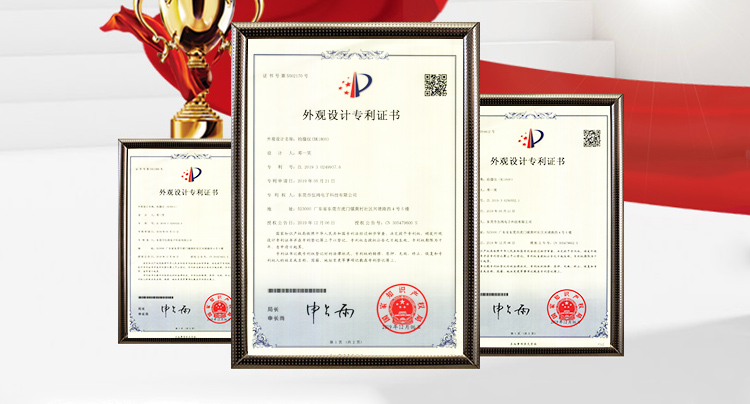
研发实力
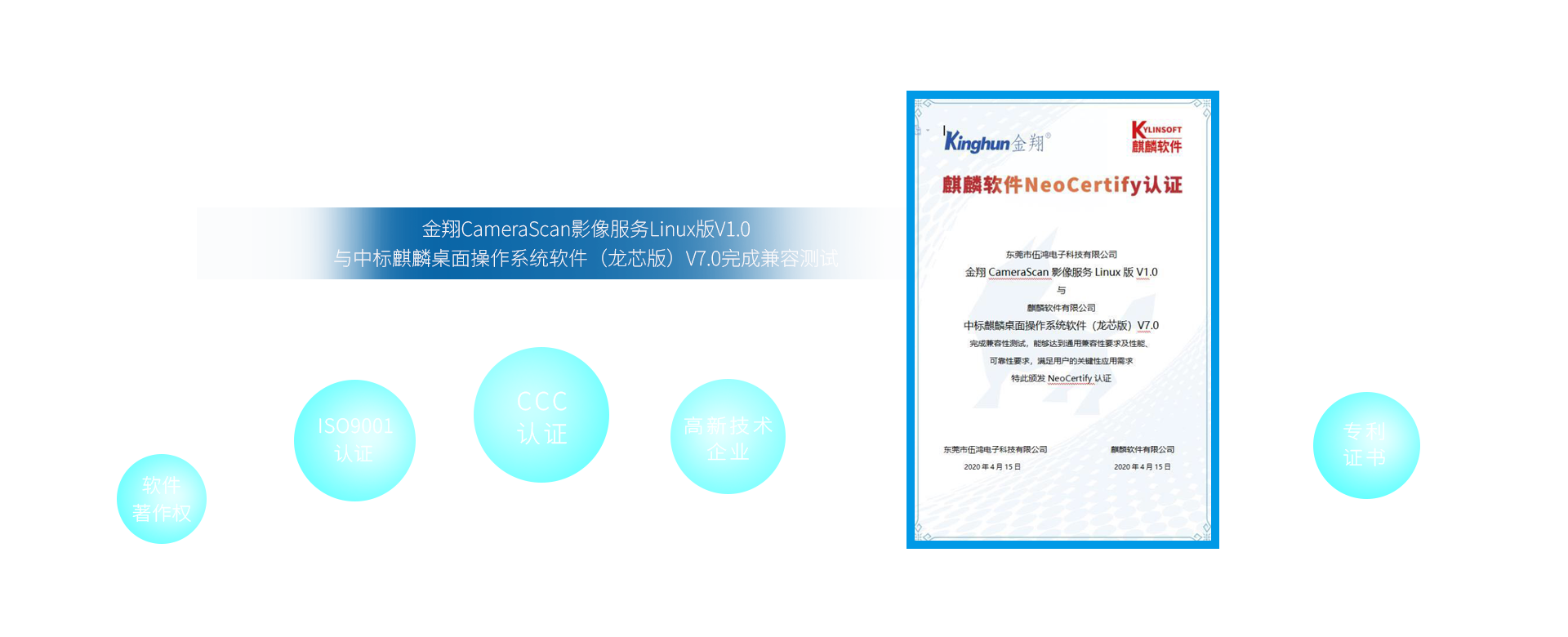
专业技术人员专注研发高拍仪,不断创新, 已经获得书籍高拍仪BK1800外观专利等多项高拍仪外观专利证书。
技术实力
团队人员多年致力于高拍仪开发,将技术的延伸性和先进性有机结合,形成真正可靠稳定的技术优势。
品牌实力
金翔“kinghun®”光电品牌系列,为众多客户提供数据图文化、信息化全套专业、卓越服务。
售后服务
一对一专业客服售后,快速响应,以专业的态度与知识为您提供完善、高效的服务。Practical outcome: a “mini-documentation” header summarizing purpose, inputs, outputs, and known limitations. Quality needs early checks. Add lightweight validation: confirm file encodings, assert expected headers, or detect unusually sized inputs. When something’s off, fail with a clear, actionable error instead of a silent wrong result.
Practical outcome: publish a short “How I broke and fixed this macro” note alongside your macro — it’s both documentation and a teachable moment. Extra quality is quiet. It’s the macro that runs reliably at 2 a.m., the script that recovers cleanly after a crash, the tool that a colleague hesitates to change because its intent is clear. These improvements compound: fewer emergencies, more trust, faster iteration. The craft of macros becomes a practice of humility — anticipating change, making decisions explicit, and erring on the side of safety.
In the dim glow of a monitor, a lone creator double-clicked a folder named “GD Macros.” The name hinted at something small and mechanical — a string of keystrokes, an automation, a convenience — but what followed would become a quiet obsession: how to turn good macros into something more, how to squeeze extra quality out of brittle scripts and sprawling setups. This is the story of that search: an exploration of craft, trade-offs, and the subtle art of making tools sing. Prologue: The Problem with “Good Enough” At first, macros feel like miracles. A few lines, a couple of recorded actions, and repetitive tasks vanish. But “good enough” accumulates costs: brittle triggers break after an update, edge cases slip through, and performance hiccups multiply. Creators who rely on macros discover that maintainability, reliability, and clarity — not just functionality — define long-term value. The pursuit of “extra quality” begins not with new features, but with asking why the existing work fails when stakes rise. Chapter 1 — Know the Domain Extra quality starts with understanding context. A macro that edits a spreadsheet needs domain awareness: what data formats appear, which fields matter, what mistakes are common. The best macro authors become humble students of use: they interview users (or observe themselves), catalogue failure modes, and prioritize the few cases that cause the most pain.
The reward isn’t perfection. It’s a toolkit that earns its place in a workflow by being understandable, resilient, and kind to the people who rely on it. Quality isn’t a final state but a project: every maintenance task is an opportunity to raise the bar a little higher.
— End of chronicle.

金翔高拍仪-让智能实现无纸化办公
全国服务热线:
地址:广东省东莞市虎门镇怀德松岗工业区一路2号3栋502室伍鸿电子有限公司

焦先生

李先生
© 2026 — Dynamic Deck